Land, Labor and EDOs: F&B Manufacturing Booms in ‘Texas Triangle’
Courtesy Trygve Finkelsen / iStock / Getty Images Plus.
With development-ready land and a thriving BBQ scene, the area has attracted considerable F&B investment in just the last year.
By Kelley Rodriguez
- US Foods broke ground on a $120 million expansion in Buda, adding 170,000 square feet and 165 jobs.
- The Ziegenfelder Corporation, a frozen treat manufacturer, selected Lockhart for its fourth production facility, creating 100+ jobs.
- RealColdopened a 312,000-square-foot cold storage and logistics hub in Lockhart.
- California-based Sovereign Flavors chose Kyle for its second facility, expanding to serve major CPG brands.
In the heart of the “Texas Triangle,” Hays and Caldwell counties are putting food manufacturing on the map.
Located midway between Austin and San Antonio, the region offers access to Interstate 35, allowing connection to Gulf ports. With development-ready land and a thriving BBQ scene, the area has attracted considerable F&B investment in just the last year:

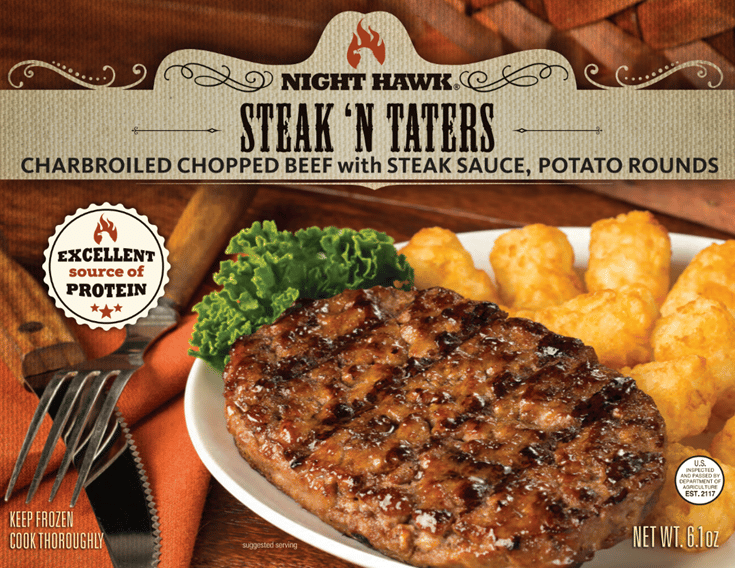
When Night Hawk Frozen Foods needed a larger manufacturing footprint in the early 1990s, they worked with local economic development organizations. Courtesy Night Hawk Foods.
The region also is home to Hill Country Foodworks and Nabaco, an ag-science company that develops coatings to extend the shelf life of fresh fruit.
“We represent two counties in Central Texas, which covers 10 cities. For food manufacturers, processors and distributors, we really are unique in that we can show them and help them through a process to see many different cities that can offer many different things. So, it's not just a one-stop, you know, this is your city, take it or leave it. If one of our 10 cities doesn't look right, well, we’ve got nine others we can show you, that might. So, we really act as a connector and a problem solver,” said Mike Kamerlander, president and CEO of the Hays Caldwell Economic Development Partnership. “We stick with them for as long as they're operating here to ensure that they can be as successful as they can, and companies that come here, we've seen generally do stay and expand, because of their success here.”
Economic development organizations (EDOs) are entities dedicated to attracting investment, fostering innovation and creating a thriving environment for businesses. EDOs often support initiatives that encourage innovation, research and entrepreneurship, helping build a pipeline of new businesses and technologies according to the International Economic Development Council (IEDC).
There are thousands across the U.S., including non-profits, public-private partnerships, government agencies and university-affiliated bodies.
“The biggest hurdle we have in what we do for a living, is people don't know that we exist, and if they do know that we exist they're not quite sure how it is we can help,” Kamerlander said. Economic development organizations are “really are there to do whatever they can to make you successful. At the end of the day, you are employing their citizens, you are their tax base, you are what makes the city work.”
When considering working with an economic development organization, experts say companies should focus on how they can support your growth and expansion, hiring, incentives and connections within the greater community.
Beyond aiding in site selection, permitting and local government regulations, EDOs offer plenty of other services, particularly around workforce development.
“If they're existing companies, obviously workforce development is probably one of the biggest things we can do, help these companies find labor,” Kamerlander said. “We have this burgeoning cluster. A lot of these kids can get a job right out of school, so we start with that. Then you move up to your community college, and what can they do? And that's just for packaging and food manufacturing. A lot of these places are highly automated but you're going to need engineers, you're going to need people who can program robots, you're going to need all sorts of things that, even 10 years ago, weren't in the industry. We have Texas State University here in San Marcos, which has over 40,000 students, and an engineering program. How do we get them plugged in now with these companies that, again, 10 years ago, food and food distribution maybe wasn't on their on their radar but now it needs to be.
Economic development organizations also can assist companies with things like state and federal grants and incentive programs.
When Night Hawk Frozen Foods needed a larger manufacturing footprint in the early 1990s, they worked with the economic development organization to move from Austin to Buda, Texas.
Night Hawk’s frozen meals are found in over 8,000 stores across 36 states, including H-E-B, Walmart and Kroger. The family-owned company and its roughly 100 employees manufacture over 50 different items under multiple brands from an automated, 30,000-square-foot plant.
“Another thing that he can provide organizations like us, is introductions to these companies that are coming in. We have a short-term need; we bought this land in Buda to build a new freezer. Well, we're working through all that and it's going to take years to get done, we have a need right now for cold storage. So now RealCold is here, (Mike) makes an introduction, now we're talking to them for some potential short-term solutions,” said Scott Logan, president and CEO of Night Hawk Frozen Foods, which works with the Hays-Caldwell EDO. “The other company is, Sovereign Flavors that is just up the road from us. We didn't know they were there! We had an introduction made, and now we're buying product from them.”
“One real-world example for us is when the snowstorm hit central Texas a few years back, everything shut down, right? We said we can be up and running by Thursday, and the storm had been done by Monday. Well, that night, the water facility … put a boil water notice out. As a USDA facility, we have to have a clean source of water so we can't operate, right? Friday, we hear from the city that, okay, I think we're back up and running, we're going to test the water on Monday, and we'll probably be releasing it on Tuesday,” Logan said. “I thought we needed to move a little faster than that, because the grocery stores are empty and the food needs to be on shelves, so I called the (Hays Caldwell EDO) and next thing you know, the water's getting tested on Saturday, the results were in Sunday and we were operating on Monday.”
Logan’s advice for cold chain companies: “Go find your (local economic development organization) and introduce yourself. I mean, that should be happening tomorrow if you haven't already done it,” he said.
You can hear more on this story in our From the Cold Corner podcast.